

Perspectives Beyond
Education: The Key to Environmental Conservation
By Peepal Baba
Drawing on decades of work, Peepal Baba reflects on why schools like Shiv Nadar School must lead in nurturing sensitive, environmentally conscious citizens for a greener tomorrow.
Education is the cornerstone of environmental conservation. This is a truth I have come to firmly believe in after 48 years of dedicated work in the field. I have had the privilege of working across 226 districts in 21 states, covering 6,70,000 acres of land. Through this journey, one lesson has stood out:
People conserve and protect only what they truly understand.
This understanding stems from education.
The idea of conservation and protecting the natural world must come from within. To cultivate this awareness, we must invest in school-going children to understand the enormity and significance of the one Earth we have and share. I feel it is the greatest responsibility of teachers to educate and inspire children through classroom learning and real-world exposure. It is these young minds who will be our future, academicians, scholars, administrators, politicians, and members of civil society, who will lead the way and shape a better future for our country.
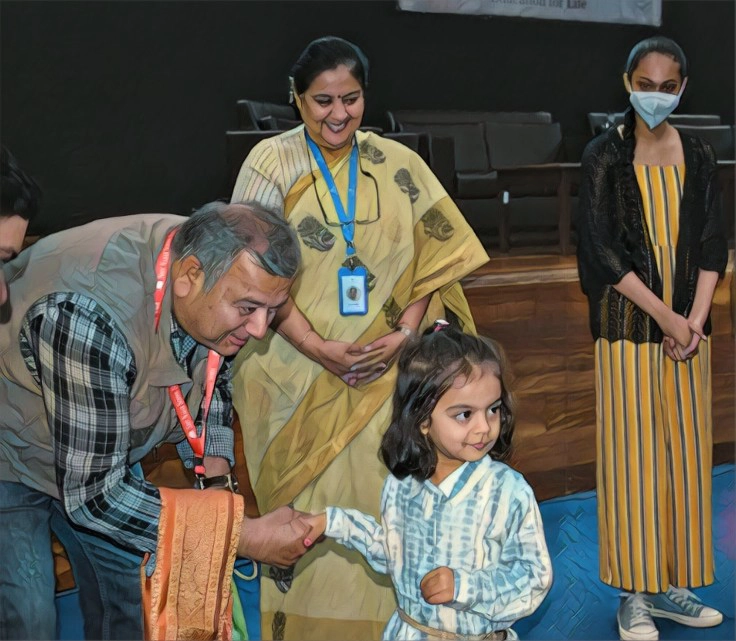
My own journey has been deeply nourished by an ecosystem consisting of my class teachers, parents, and grandparents, who have made me what I am today. A class teacher opened my eyes to the wonders of nature through stories of birds, bees, and butterflies, and introduced me to the mysteries of the natural world. While my grandmother, through storytelling, introduced me to the world of forestry, farming, mountains, and wildlife.
Schools are the primary institutions that shape the country. Education leaders must ensure that parents and grandparents are equipped to create an enriching and flourishing space for children, both at school and at home, so that together, we can empower children with a holistic understanding of the environment.
It is now time that we realise the urgent need to discuss matters of the environment in international conferences and global seminars, but it is also imperative for these discussions to happen at the classroom level. Nature education at the primary school level has to take root and must be encouraged. The more we are invested in this idea, the better for our world and our sustainable future.
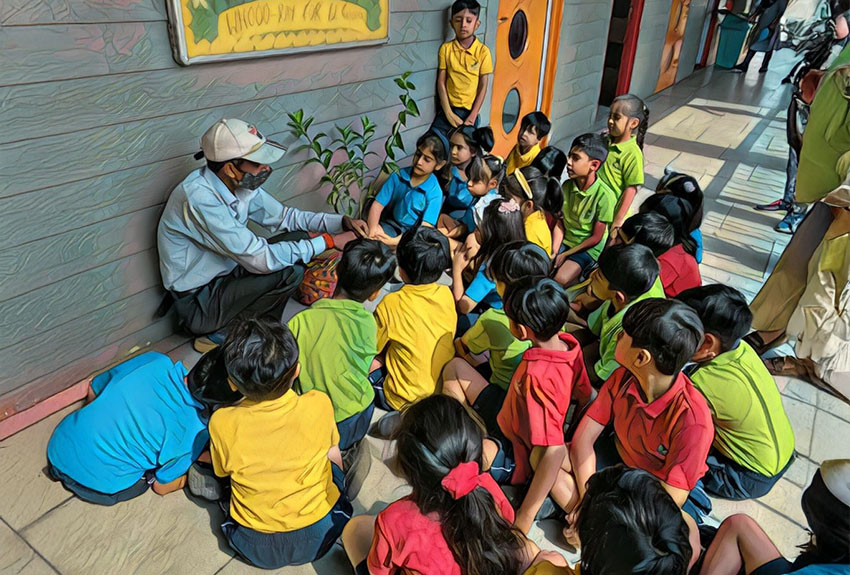

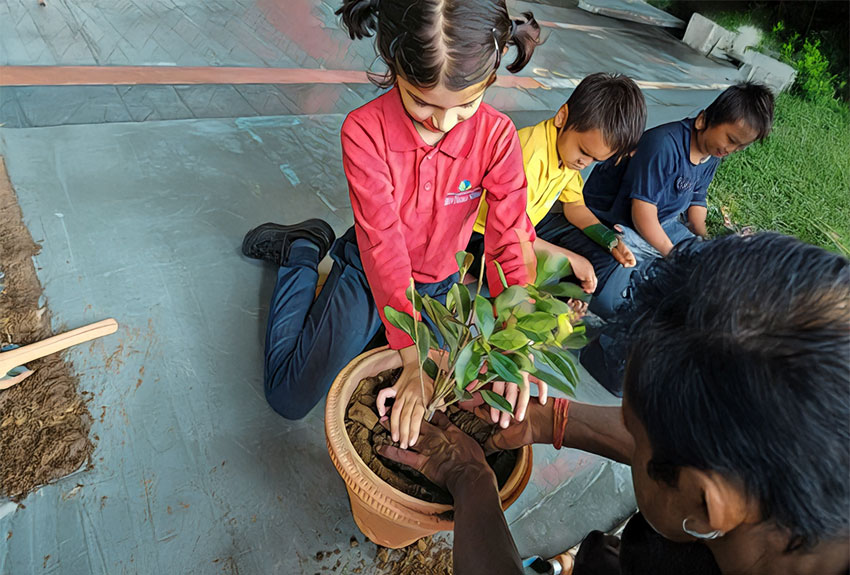
I have great admiration for institutions that lead the way in providing a nurturing ecosystem for students, fostering their growth into sensitive and compassionate individuals. My heartfelt wishes go out to Shiv Nadar School in its mission to shape a sustainable future through education.
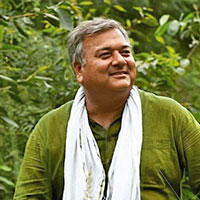
Peepal Baba
Swami Prem Parivartan, famously known as ‘Peepal Baba’, holds a postgraduate degree in English Literature from the University of Pune. Peepal Baba took to teaching university students in the morning hours, and by evening, he was a yoga practitioner and teacher. He has planted and conserved over 1.25 crore peepal trees.
More From Perspectives Beyond